Best Hair Extensions for Thin Hair in 2026
- Viviana Fuentes
- Jun 29
- 3 min read

Updated: Jul 1
Affiliate Disclosure: This post may contain affiliate links. If you purchase through these links, Lush Lab Group may earn a commission at no additional cost to you.
If you have thin or fine hair, you already know the struggle—trying to add volume or length without damaging your natural strands can feel impossible. The good news is that in 2026, hair extensions have come a long way. They are lighter, more natural-looking, and much safer for delicate hair types.
In this guide, I’ll break down the best types of hair extensions for thin hair, what to avoid, and how to choose the right option so your hair looks fuller without damage.
Why Thin Hair Needs Special Extensions
Thin hair is more fragile, meaning heavy extensions or improper installation can cause breakage, traction alopecia, or visible tracks. The goal is not just length—it’s natural volume with minimal stress on your scalp.
That’s why choosing the right type matters more than ever.
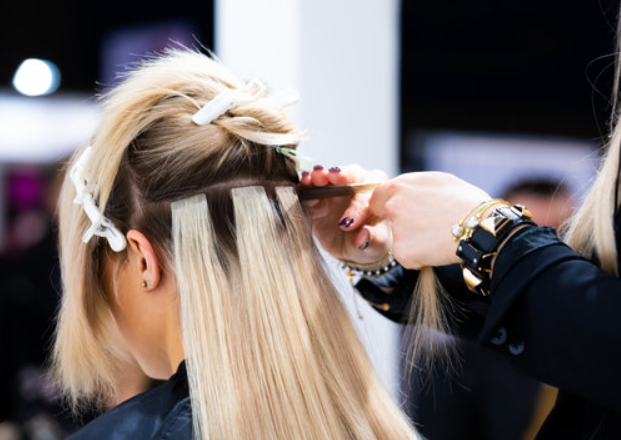
1. Tape-In Hair Extensions (Best Overall for Thin Hair)
Tape-in extensions are one of the most popular choices for fine hair because they are:
Lightweight
Flat against the scalp
Easy to blend
Less damaging than sew-ins or bulky wefts
They use medical-grade adhesive strips that lay flat, making them nearly invisible even in thin sections of hair.
Best for: Everyday wear, natural volume, semi-permanent style
Maintenance: Move-up every 6–8 weeks
Tip: Always have tape-ins installed by a professional for best results.
2. Hand-Tied Weft Extensions (Best for Natural Blending)
Hand-tied wefts are extremely lightweight and customizable. They are sewn into small bead rows, which helps distribute weight evenly across the scalp.
Benefits:
Very natural movement
Minimal tension when installed correctly
Great for adding fullness without bulk
Best for: Clients who want long-term wear and natural density
Maintenance: Every 6–10 weeks
3. Clip-In Extensions (Best Temporary Option)
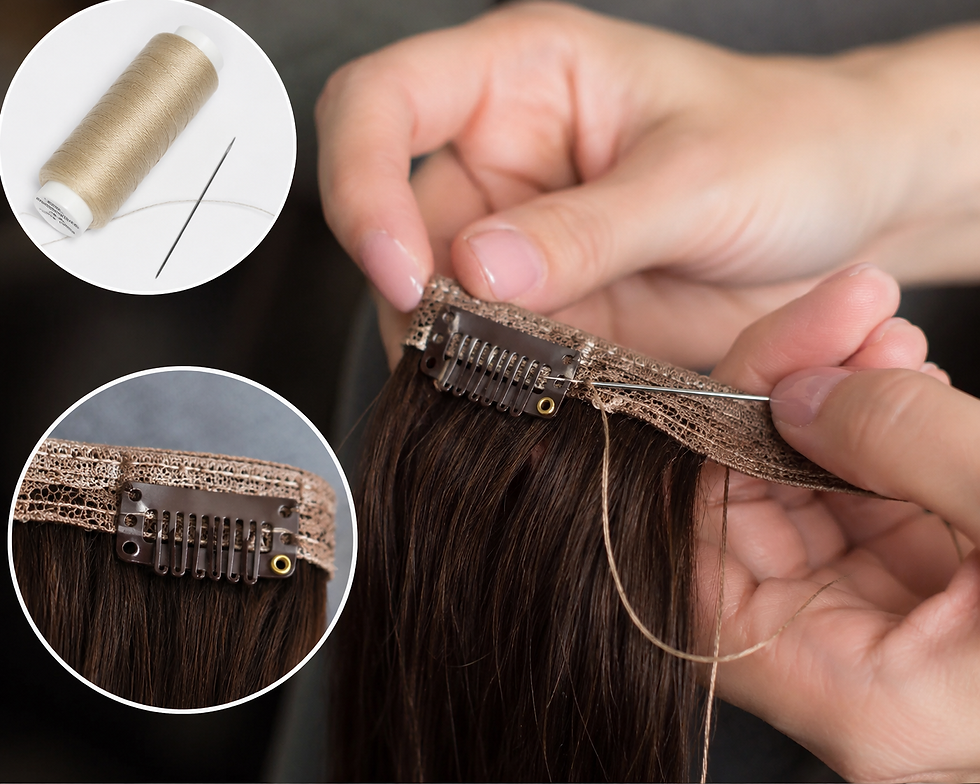
Clip-ins are perfect if you want volume only for special occasions or occasional styling. They don’t require salon installation and can be removed daily.
Benefits:
No damage when used correctly
Affordable entry option
Easy to apply at home
Best for: Beginners or occasional use
Tip: Choose lightweight, seamless clip-ins to avoid stress on thin strands.
4. Halo Extensions (Best for Zero Damage)
Halo extensions sit on a clear wire that rests on your head—no clips, glue, or bonds needed.
Benefits:
Completely damage-free
Quick to apply
Comfortable for all-day wear
Best for: Very fragile or thinning hair
Downside: Not ideal for updos or high ponytails
What to Avoid with Thin Hair
If your hair is fine or fragile, avoid:
Heavy sew-in extensions
Thick machine wefts
Overloaded fusion bonds
Cheap synthetic hair (tangles and looks unnatural)
These can cause breakage or make thinning areas more visible.
How to Choose the Right Extensions
Before choosing, ask yourself:
Do I want daily wear or occasional volume?
How much maintenance am I willing to do?
Is my hair healthy enough for semi-permanent extensions?
If you’re unsure, tape-ins or halos are usually the safest starting point.
Final Thoughts
Thin hair doesn’t mean you can’t enjoy full, voluminous styles. With the right type of extensions and proper care, you can completely transform your look while keeping your natural hair healthy
The key is choosing lightweight, professionally matched extensions and avoiding anything that puts too much stress on your roots.
Healthy hair always comes first—extensions should enhance it, not harm it.
Looking for more hair care tips and extension guides? Check out more posts on the blog for product recommendations and styling advice tailored to your hair goals.
Sunny Remy Clip in Human Hair Extensions https://amzn.to/4gPCZhb https://amzn.to/4ePTs2f
Sunny Human Hair Tape in Hair Extensions https://amzn.to/3SB34H2
Sunny Sew in Weft Human Hair Extensions https://amzn.to/4gMFAse
Moresoo Micro Loop Human Hair Extensions
K-Tip Human Hair Extensions https://amzn.to/4wgcfLj


Comments